Hyperfixation is an intense absorption in one interest, activity, show, food or person, to the point where other things fade out for a while. It is an everyday word, not a diagnosis. People use it a lot around ADHD and autism, but being deeply absorbed is something many people without either report too. It can be a pleasure and a problem in the same week. This guide covers what the word means, what research can and cannot say, and how to keep the good part without losing meals, sleep or money to it.
Key takeaways
- Hyperfixation is not an official symptom of ADHD or autism, and we could not find an accepted scientific definition. Studies look at close relatives: hyperfocus and special interests.
- In one study, about 83% of more than 1,100 healthy adults said they had experienced hyperfocus. Whether it is more common with ADHD is still debated.
- The popular idea that hyperfixation is your brain chasing dopamine has not been tested directly, as far as we could find.
- Some people say they cannot choose it, so the usual advice is to manage it from outside: cues, limits set in advance, other people, and a waiting period before spending. We could not find a study that tests this.
- If it feels unwanted, comes with very little sleep and unusual energy, or you lose interest in everything, look beyond hyperfixation and talk to a professional.
What does hyperfixation mean?
Dictionary.com defines the verb to hyperfixate as "to fixate one's attention to an extreme degree." The medical and government health pages we link to do not use the word. The American Psychiatric Association's public list of ADHD symptoms does not include it, and the ADHD organization ADDA says it "isn't an official symptom of ADHD."
Two related ideas do have research behind them. Hyperfocus is the state of being locked onto a task. Special interests, also called focused or intense interests, are the topics many autistic people care about deeply, often for years. In everyday use, hyperfixation often means something in between: one thing takes over for days, weeks or months, and then the pull fades.
| Word | What it usually points to | Typical length, as people use it |
| Hyperfocus | A state: locked in on a task right now | Minutes to hours, sometimes longer |
| Hyperfixation | A phase: one thing keeps taking over | Hours to months, sometimes longer |
| Special interest | A topic that is part of who you are | Often years |
| Hobby | Something you enjoy and can put down | Any |
These lines are not official, and people draw them differently. In a study of 15 autistic adult advocates, one person described hyperfixation as "short term, and not necessarily about a topic." Another said it is often hard for them to tell it apart from a special interest. Both also said they have ADHD. We use "hyperfocus" below when a study measured hyperfocus.
Signs and examples of hyperfixation
There is no checklist. In forum threads, reader letters and personal essays, people describe patterns like these:
| Object | What it can look like |
| A hobby | Researching, buying supplies and practicing every free hour, then boxes in a closet two months later |
| A show, game or creator | Watching everything in one go and losing the evening |
| A topic | Reading about it until late and bringing it into every conversation |
| A food | The same meal every day until you suddenly cannot stand it |
| A person | A new crush or a public figure taking up most of your thoughts |
| A project | A brilliant, fast start, and then the energy is gone before the last step |
Common threads: time slips by, interruptions feel jarring, body signals such as hunger get missed, and the end can bring regret or a flat mood.
Is hyperfixation ADHD, autism or just human?
Without any diagnosis
Deep absorption is common. In a 2020 study, 82.7% of 1,124 healthy adults reported hyperfocus. The same study compared 78 adults with ADHD to 78 matched adults without it: 78% and 74% reported it, a gap that could easily be chance. In a second comparison group 70% reported it, and against that group people with ADHD had hyperfocus slightly more often. The authors called the result on how often it happens inconclusive. A Cleveland Clinic article notes that hyperfocus is commonly regarded as a symptom of ADHD, but says "most people have the capacity to hyperfocus in certain contexts."
With ADHD
Other studies do find more. Adults with more ADHD symptoms reported more hyperfocus at school, with hobbies and with screens. In a 2024 study of 492 adults, hyperfocus was higher in adults with ADHD, autism or both than in a comparison group. It went along with more anxiety and depression symptoms and a lower quality of life. Good experiences of hyperfocus partly offset the link with quality of life. These are questionnaires, so they show links, not causes. A correction to the first study notes that its hobby questions were missing one answer option; the authors say their conclusions do not change. Not everyone with ADHD has it, and having it does not mean you have ADHD. For scale, about 6% of US adults say they have a current ADHD diagnosis.
With autism
"Highly restricted, fixated interests" is one of four listed behaviors in the diagnostic criteria for autism. Two of the four are needed, along with social communication differences and real impact on daily life, so an intense interest alone is not enough. Intense interests are not bad in themselves. In a study of autistic adults, about two thirds had a special interest, and well-being was no different with or without one. A very high intensity went with lower well-being.
What about dopamine?
You will often read that hyperfixation is an ADHD brain looking for dopamine. A 2024 review concluded that dopamine is involved in ADHD but found "limited evidence for a hypo-dopaminergic state per se as a key component of ADHD." In plain words, it is not clear that ADHD means too little dopamine. It did not look at hyperfixation, and we could not find a study that tested the link. For now it is an idea, not a finding.
Hyperfixation vs hyperfocus vs flow
Researchers disagree about where these overlap. A 2021 review proposed that flow and hyperfocus are the same thing. A 2026 review of 43 publications saw a difference: hyperfocus "is often involuntary, lacks clear goals, and is associated with emotional dysregulation." If you want the chosen, goal-directed kind, our guide on how to enter flow state is about that.
How long does hyperfixation last?
We could not find a study that measured it. In the 2020 study above, healthy adults put their shortest hyperfocus sessions at about 18 minutes and their longest at about 78 minutes on average. These are people's own estimates. ADDA says hyperfixation can last from a few hours to months, without citing a source for that. In the threads and essays we read, people gave answers from half an hour to many years, and one interest came back every few years.
Good and bad: what adults describe
In focus groups with 43 young adults with ADHD, hyperfocus helped with work and also came "at the detriment of basic life tasks such as eating and sleeping." Participants said they could not choose when it happened or what it landed on. In interviews with 24 autistic adults, deep immersion brought pleasure and also missed body needs, and being interrupted could feel like a shock.
So the goal is not to stamp it out. It is to protect the basics around it.
How to manage hyperfixation: a 6-step plan
We could not find a study that tests a way to manage hyperfixation. The steps below combine expert advice, research on nearby problems and things people say help. Cleveland Clinic's expert puts the core idea plainly: "Hyperfocus is not something that you can manage internally." So move the control outside your head.
1. Protect four basics first
Before you start, not during: food, water, sleep and the one thing that cannot be late today, such as a medicine. Put a snack and a bottle within reach. Set the stop time for sleep before you open the game, the shop or the first episode.
2. Use cues that are hard to miss
Cleveland Clinic suggests alarms, calendar reminders, screen-time limits and asking someone to call you. One alarm is easy to switch off. Try a first warning, then a second cue you have to stand up for. One autistic adult in an interview study said they do not hear an alarm when absorbed. In a study of online posts about autistic inertia (trouble starting, stopping or switching) sudden alarms gave some people "a surge of anxiety." So a gentle light, music that ends or a person may work better. Our guide to time blindness has more ways to make time visible.
3. Plan the landing, not just the stop
Coming out of it can take a while. Add a 10-minute buffer: write down where you are, what you would do next and when you can come back. Then move your body or change rooms. A quick brain dump of open ideas can make it easier to put the thing down for now.
4. Bring in another person
A partner or friend can be a better cue than a phone. Agree on it in advance. An ADDitude article and one forum poster both suggest a gentle hand on the shoulder before you speak. If starting the boring task is the problem, body doubling may help, although research on it is thin.
5. Put a wait between wanting and buying
Money is one of the most concrete regrets people describe. Adults with ADHD reported more impulse buying in one study of 96 people. A larger community study also saw more impulse buying with ADHD symptoms, but the link disappeared once personality, depression and background were considered. We did not see hobby spending measured in either. The practical rule holds either way: borrow, rent or buy the cheapest version first, set a monthly cap, and wait a week before the second purchase.
6. Give it a job and a finish line
If the energy is there, point it at something that matters: the project that needs a first draft, the skill you want. Decide early what "done enough" means, and do the dull final step while you still care. If you drop it, park it without guilt: note where you stopped, sell or donate what you will not use, and keep the notes. Some interests come back.
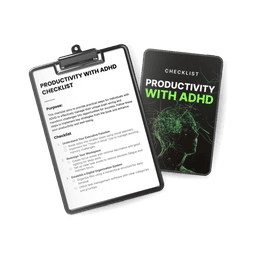
Our free Productivity with ADHD checklist includes using timers and alarms for time blindness and hyperfocus. The ADHD workbook has an exercise on putting hyperfocus to use and a table for planning around interruptions, and the ADHD toolstack lists time-tracking tools. The checklist and the workbook are also part of the Productivity with ADHD bundle. For the wider system, see how to be productive with ADHD.
Hyperfixation on a person
When the object is a crush, an ex or a public figure, the word limerence comes up too. A 2024 review says the research on it is "extraordinarily limited," and we could not find a study of hyperfixation on a person, under that name, in ADHD or autism. One ADDitude reader says therapy helped them focus on what the person has really shown them rather than what they made up. Our own common-sense additions: cut down on checking their profiles, and keep plans with other people. Respect a no the first time. If you cannot stop, or it is hurting you or scaring someone else, get professional support.
Food hyperfixation
Some people describe eating one thing on repeat, and we could not find a study of it by that name. On its own it does not mean you have an eating disorder, but it does not rule one out either. If your range of foods is shrinking, you are losing weight, you feel weak or faint, or meals cause distress, talk to a doctor or dietitian.
If someone you love hyperfixates
Ask for specific things on specific days instead of hinting. Agree on a phrase that means "I need a break from this topic." Set fixed time for family, work and the interest. Being absorbed can explain why something was missed; it does not cancel the responsibility, and it never excuses control, threats or fear at home. And where an interest is harmless, the National Autistic Society sees no reason to prevent an autistic person from engaging in it.
When it might be something else
| What you notice | What it could point to |
| Thoughts are unwanted and frightening, and you feel you must do something to make them stop | OCD, where obsessions are intrusive and make most people anxious |
| Much less need for sleep, racing thoughts, feeling unusually powerful or able to do many things without getting tired, for days | A manic or hypomanic episode (bipolar disorder). Contact a doctor promptly |
| You have lost control over gaming and keep going despite serious harm, usually for a year or more | Gaming disorder. You do not have to wait a year to ask for help |
| Nothing interests you any more | Low mood or depression, above all if it lasts two weeks or more |
| You are exhausted and even the things you love feel impossible | ADHD burnout or another kind of burnout |
Only a professional can sort these out. See a doctor if it keeps getting in the way of eating, sleep, work or relationships. In the US, call or text 988 if you are in crisis or thinking about suicide, and call 911 if a life is in danger. Elsewhere, call your local emergency number.
FAQ
Is hyperfixation a symptom of ADHD?
Not officially. It is not in the American Psychiatric Association's public symptom list. Some adults with ADHD describe it, and some studies find more hyperfocus with ADHD, but people without ADHD report it too.
What is the difference between hyperfixation and a special interest?
People usually use special interest for a deep, lasting topic, often in autism, and hyperfixation for something shorter that takes over and then fades. There is no official line, and some people have both.
Can you stop a hyperfixation?
You may not be able to switch it off, but you can set limits around it: a stop time, a spending cap, a person who checks in, and a plan for coming back later.
Why do I feel empty when a hyperfixation ends?
People describe missing the excitement or regretting the money and time. We could not find a study of it. Have a low-pressure plan for the days after. If the flat mood lasts two weeks, spreads to everything or comes with hopelessness, talk to a doctor. If you think about dying or hurting yourself, do not wait: in the US call or text 988, and elsewhere call your local emergency number.
Is hyperfixation bad?
Not by itself. It can bring joy, skills and finished work. It becomes a problem when it costs you food, sleep, money, work or relationships, or when you no longer enjoy it.
How we put this guide together
This guide was written with AI assistance and edited by the AllMyGuides team. None of us is a doctor or therapist. We based it on published research and on pages from the American Psychiatric Association, CDC, NIMH, WHO, Cleveland Clinic, ADDA and the National Autistic Society. We checked the relevant passages of each linked source, in full text where we could open it and otherwise through its abstract, and we say when a study measured hyperfocus or special interests rather than hyperfixation. To understand what people live with, we also read public threads, some only in part, on Hacker News, Wrong Planet, Mumsnet and other forums. We added reader letters in ADDitude and personal essays on The Mighty and Substack; we could not open Reddit. The examples are general patterns, not one person's story. Last checked in November 2026. This article is for general information and is not medical advice.