When an interviewer says "Tell me about a time you failed", they want a real, small work failure, told briefly, with what you did next and what you learned. The failure is only the opening. The answer is about how you recover.
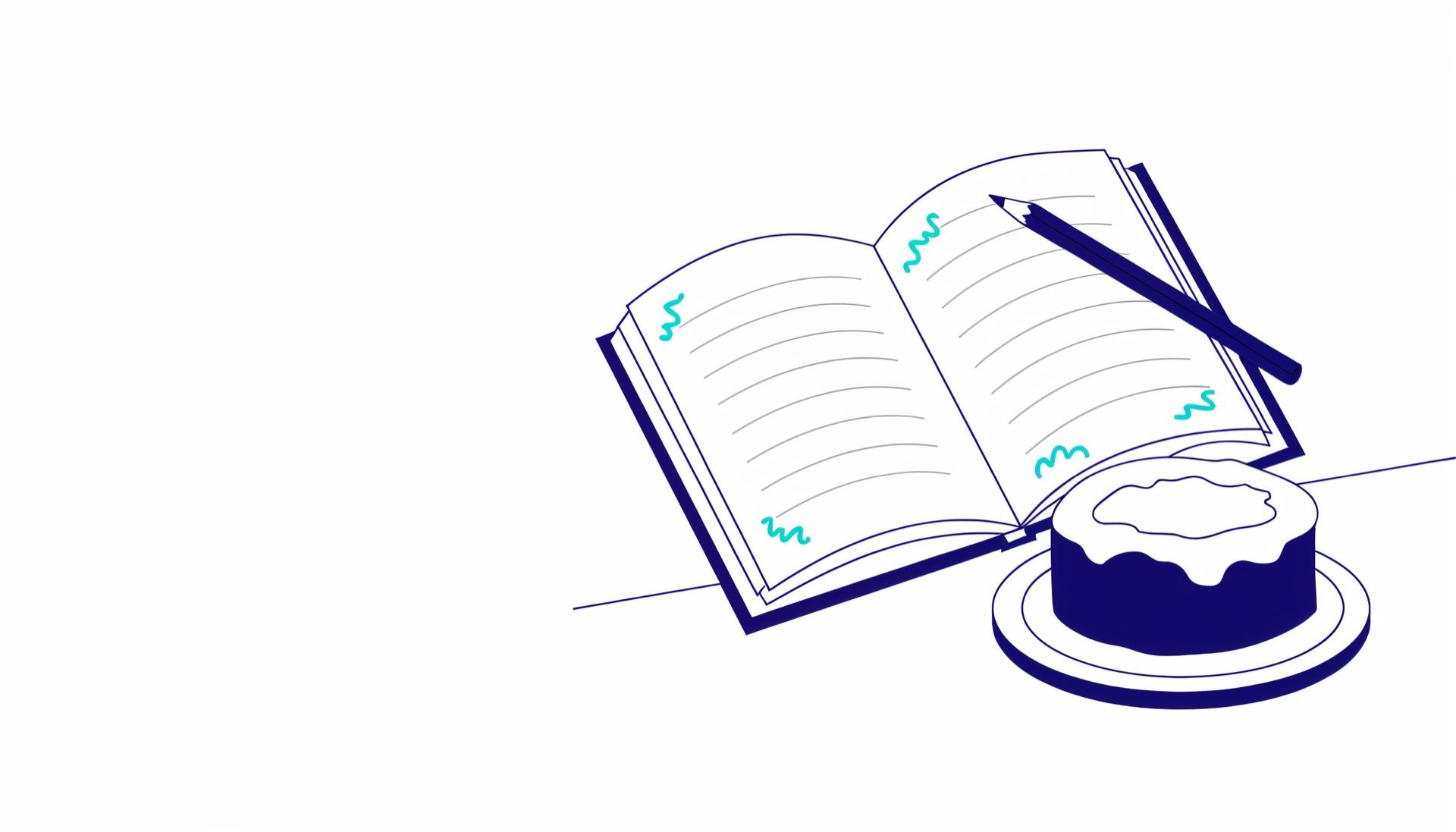
Think of a recipe that flopped. A good cook doesn't hide it. They write in the margin: "Less salt. Oven was too hot. Try 180." The next batch is better because of the note. Your answer should sound like that margin note.
The short version
- Pick a real failure that was small enough to fix and big enough to matter.
- Own your part. Don't blame others.
- Spend most of the answer on what you did next.
- End with the lesson and how you use it now.
What the interviewer wants to know
| They're checking | How you show it |
| Honesty | A real failure, not a strength in disguise |
| Ownership | "I" more than "they" |
| Recovery | Clear steps you took to fix it |
| Learning | A habit you changed and still use |
How to pick the right failure
Good choices:
- A missed deadline you could have flagged earlier.
- A goal you didn't reach, like a sales target or a launch date.
- A project that went wrong because you didn't ask enough questions.
- A task you tried to do alone instead of asking for help.
Avoid failures that touch the core of the new job (an accountant who lost the company's tax records), anything that broke rules or caused harm, and personal or private matters. Keep it about work, study or a project.
A simple answer formula
Use the STAR shape, plus one extra step:
- Situation. One or two sentences of background.
- Task. What you were supposed to do.
- Action. What went wrong, and what you did about it.
- Result. How it ended.
- Lesson. What you do differently now.
Our guide to the STAR method has more on building stories this way. Aim for about a minute when you say it out loud.
Tell me about a time you failed: sample answers
These are samples we wrote. Use the shape, not the story.
1. Missed deadline
"In my last role I promised a client report by Friday. On Wednesday I saw I'd underestimated the data work, but I didn't say anything, hoping to catch up. I missed the deadline by a day. I called the client, apologized and sent it Monday morning. Since then, I check halfway through every project and flag delays as soon as I see them. My manager now says I'm the one who warns early."
2. Sales target
"In my first year in sales, I missed my quarterly target. Looking back, I spent too much time on big leads that weren't ready to buy. I asked a senior colleague to review my pipeline, and we built a simple way to sort leads by how ready they were. The next quarter I hit the target, and I still use that sorting every Monday."
3. Project launch
"I led the launch of a new booking page. I tested it on my laptop, but not on phones, and many customers couldn't finish booking on the first day. We fixed it within hours, and I wrote a short checklist for every launch: phone, tablet, two browsers. We haven't had that problem since."
4. Group project at school
"In a group project, I took on too much because I wanted it done my way. Two days before the deadline, I was behind and the others were waiting on me. I asked for help, we split the last part and handed it in on time, but the work was rushed. Now I split tasks at the start and check in with everyone halfway."
5. First job, customer order
"In my first retail job, I entered a customer's order with the wrong size and didn't double-check. The customer came back upset. I apologized, sorted the exchange and offered free delivery. After that, I started reading every order back to the customer before saving it."
6. Doing it all myself
"When I first managed a small team, I kept the hardest tasks for myself. I worked late, and the team didn't learn those tasks. When I was away for a week, things slowed down. Since then, I pair someone with me on every tricky task, so at least two people know how to do it."
Tell me about a time you made a mistake
This version is a little smaller. A mistake is usually one wrong action, like a typo in an invoice or a wrong file sent. Use the same shape: what happened, how you fixed it fast, and the small habit you added so it doesn't happen again.
What to avoid
- "I've never failed." It sounds untrue and avoids the question.
- A fake failure. "I work too hard" is a weakness answer, and a weak one.
- Blaming others. Even if others played a part, talk about your part.
- Too much detail. Keep the failure short and the recovery longer.
The question is a cousin of the weaknesses question. If you're preparing both, see our guide on weaknesses for a job interview.
How to practice today
- Write down three small work failures from the last few years.
- Pick the one with the clearest lesson.
- Write it in five lines with the formula above.
- Say it out loud and time it. Cut until it's about a minute.
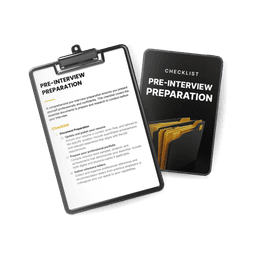
Our free Pre-Interview Preparation checklist helps you get ready in the days before. For a full plan with practice questions, Interview Success Blueprint walks you through every stage. And for the bigger picture, see how to prepare for an interview.
FAQ
Is it okay to talk about a big failure?
Yes, if you can show a clear recovery and lesson. Avoid anything that broke rules or hurt someone.
Can I use an example from school?
Yes, especially early in your career. Group projects and part-time jobs work well.
How long should my answer be?
About a minute. Short on the failure, longer on what you did next.
About this guide
Written with AI assistance and edited by the AllMyGuides team. Everyday tips, not professional advice.