Weaknesses for a job interview are the honest, fixable gaps you share when someone asks "What is your greatest weakness?", picked so they don't block the job and paired with what you're doing about them.
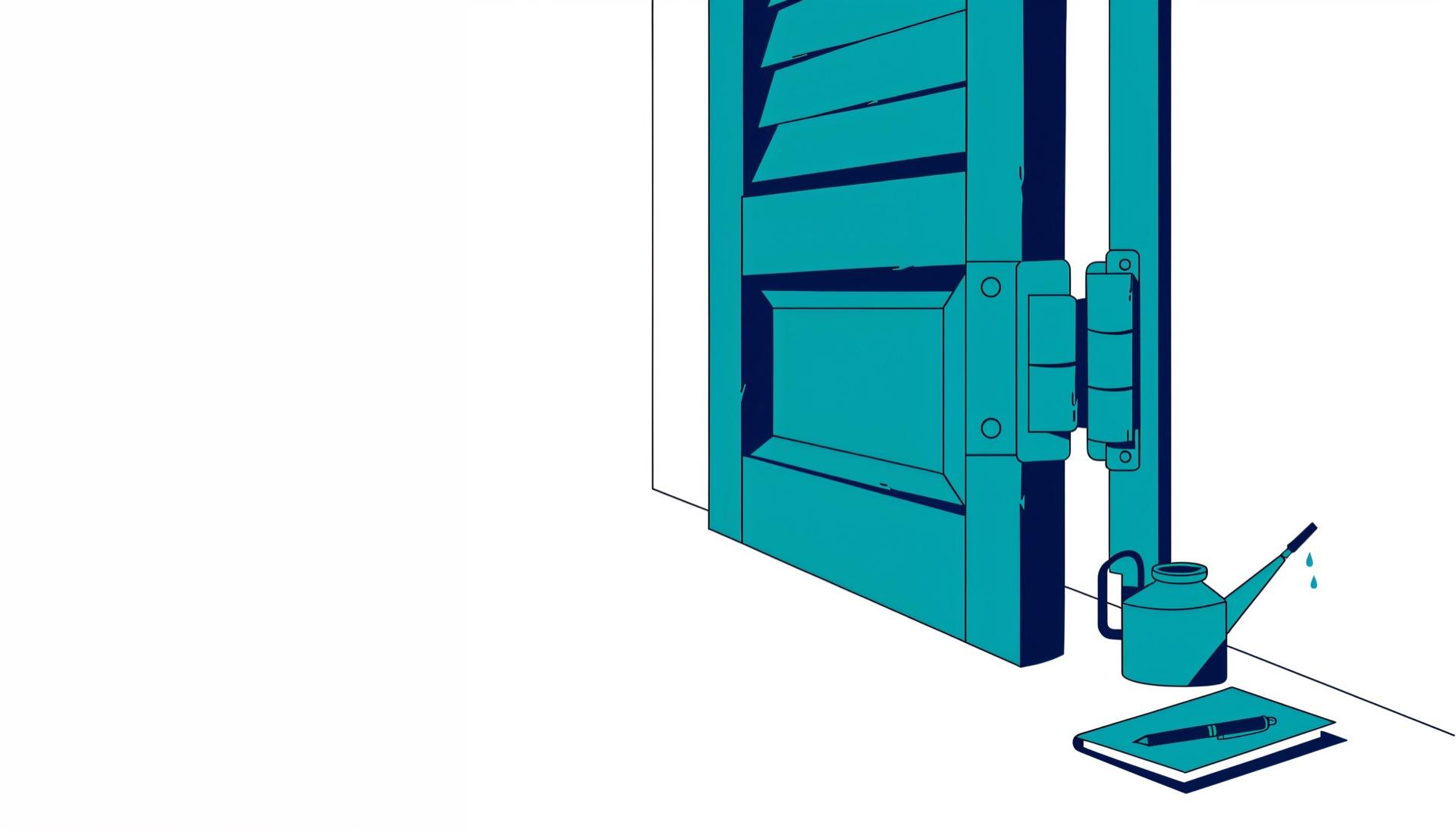
Think of a squeaky door hinge. Everyone has one somewhere. The good answer isn't "my doors never squeak." It's "this one squeaks, and here's my oil can."
The short version
- Pick a real weakness that isn't central to the job.
- Show the oil can: what you do about it, every week.
- End on progress, not on the problem.
- Skip "I'm a perfectionist" and "I work too hard."
Why they ask it
Nobody is hunting for a reason to say no. The interviewer wants to see two small things: do you notice your own habits, and do you fix things without being told?
That's why a fake weakness backfires. "I care too much" doesn't show either thing. It just shows you've read the same list as everyone else.
How to answer in three steps
1. Name the squeak
Choose one weakness and say it plainly, in one sentence. "I used to say yes to every request, even when my week was already full." Plain beats clever.
2. Show the oil can
Say what you do about it now. Make it concrete: a habit, a tool, a rule you follow. "Now I check my list before I agree to anything, and I give a real date instead of 'sure, today.'"
3. Share the result
Close with a small change people noticed. "My manager said my deadlines got a lot more reliable." Then stop. You don't need a fourth sentence.
Put together, it sounds like this:
"Something I've worked on is [weakness]. What I do now is [habit or tool]. Since then, [small result], and I keep at it."
12 weakness examples you can use
Pick one that's true for you, then make the fix your own. Check the job ad first, so you don't pick something the role needs every day.
| Weakness | What you do about it |
| Saying yes too often | "I look at my week before agreeing, and I offer a later date when I'm full." |
| Not delegating | "I hand off one task a week and write a short note so the handoff is easy." |
| Speaking up in big meetings | "I prepare one point before each meeting and make sure I say it in the first ten minutes." |
| Getting lost in details | "I set a time limit for polishing, then I send it." |
| Losing the details | "I use a short checklist before anything goes out." |
| Asking for help late | "If I'm stuck for 30 minutes, I ask. It's on a sticky note on my screen." |
| Guessing how long tasks take | "I double my first guess and track how long things really take." |
| Giving direct feedback | "I write down one specific example before I give feedback, so it's clear and kind." |
| A tool you're still learning | "I'm taking a short course in spreadsheets and use them for my own planning." |
| Impatience with slow projects | "I break long projects into small checkpoints, so I can see them moving." |
| Too many tabs at once | "I work on one task at a time, in blocks, and keep email closed while I do." |
| Emails that are too long | "I put the ask in the first line and cut the rest to three sentences." |
Notice the pattern: each one is ordinary, each one has a fix you could show on a Tuesday.
Weaknesses to skip
- "I'm a perfectionist." Heard it a thousand times. It sounds like a dodge.
- "I work too hard." Same problem, different words.
- "I don't have any." Everyone has a squeaky hinge. Saying you don't is a weakness on its own.
- The core skill of the job. A sales role and "I don't like talking to new people" don't mix.
- Anything personal. Keep it about work habits, not your private life.
What about strengths?
Often the question comes as a pair: "What are your strengths and weaknesses?" Use the same shape for both. For a strength, name it, give one quick example, and connect it to the job. "I'm good at calming down unhappy customers. Last month I turned two complaints into repeat orders, and this role is all about client calls."
Lead with the strength, then the weakness, and finish on what you're doing about it. That way the last thing they hear is progress.
If you want a quick way to build those examples, the STAR method turns any story into four short parts.
When your mind goes blank
It happens. Take a breath and use the short form:
"I tend to [weakness], so I [fix]. It's working."
Short is fine. A calm, honest answer in two sentences beats a nervous one in ten. If they want more, they'll ask, and you can add the result from step 3.
How to get ready today
- Write down three weaknesses that are true for you.
- Cross out any that the job needs every day.
- For the one left, write the fix and one small result.
- Say it out loud until it takes about 30 seconds.
This question often comes right after the future one, so practice them together with our guide on where do you see yourself in 5 years.
Our free Pre-Interview Preparation checklist walks you through looking up the company and practicing your answers to common questions, so this one won't catch you cold. For the full plan, from the first look at the company to the follow-up, see our Interview Success Blueprint and our guide on how to prepare for an interview.
FAQ
How many weaknesses should I mention?
One is enough. If they ask for more, have a second one ready with its own fix.
Can I use a weakness I've already fixed?
You can, but say what you're still doing to keep it fixed. A habit you keep up sounds more real than a problem that just vanished.
Is it okay to say a skill I haven't learned yet?
Yes, if the job doesn't need it on day one. Say what you're doing to learn it, like a course or a small project.
About this guide
Written with AI assistance and edited by the AllMyGuides team. Everyday tips, not professional advice.