An email sign off is the short word or phrase you write just before your name, like "Best regards" or "Thanks." The right one matches your tone and the person you're writing to. Below you'll find 60 ways to end an email, from formal to fun, plus a quick guide to picking the right one.
Think of it as closing a door on your way out of a room. Slam it and people notice. Close it gently and the visit ends on a good note. A sign-off is that last, quiet click of the door.
The short version
- For most work emails, "Best," "Best regards" or "Thanks" are safe.
- Match the other person's tone. If they write "Cheers," you can too.
- Add a short closing line before the sign-off when you need a reply.
- Keep funny sign-offs for people who already know you.
How to end an email in three parts
- A closing line. One sentence that says what happens next: "Let me know if Thursday works for you."
- The sign-off. A word or short phrase followed by a comma: "Best regards,"
- Your name. Your first name for people you know, your full name and role for new contacts.
Pick a sign-off by tone
A simple rule helps: mirror the other person. If a client opens with "Dear" and closes with "Sincerely," stay formal. If a coworker writes two lines and ends with "Thx," a quick "Thanks" is fine. When you're not sure, pick the slightly more formal option. Nobody minds a polite email, but a too-casual one can land badly with someone new.
| Sign-off | Tone | Best for |
| Best regards | Polite, neutral | New contacts, clients, recruiters |
| Kind regards | Warm, a little formal | Clients and partners, common in the UK |
| Best | Friendly, quick | Coworkers and most daily emails |
| Thanks in advance | Direct | When you ask for something specific |
| Cheers | Relaxed | People you already know well |
| Sincerely | Formal | Cover letters and official requests |
60 email sign-offs
Formal and professional sign-offs
- Best regards
- Kind regards
- Warm regards
- Sincerely
- Respectfully
- With appreciation
- Thank you for your time
- Thank you for your consideration
- I look forward to hearing from you
- With thanks and best wishes
Friendly sign-offs for coworkers
- Best
- Thanks
- Thanks so much
- Many thanks
- All the best
- Talk soon
- Have a great day
- Have a good weekend
- See you tomorrow
- Speak soon
Thank-you sign-offs
- Thanks again
- Thanks for your help
- Thanks in advance
- Thank you for the quick reply
- Really appreciate it
- Grateful for your help
- Thanks for making time
- Thanks for the update
- With gratitude
- Appreciate you
Casual sign-offs
- Cheers
- Take care
- Catch you later
- Until next time
- Enjoy your week
- Have fun
- Stay warm
- Happy Friday
- See you soon
- Later
Funny email sign-offs
- Powered by coffee
- Sent from my desk, not a beach
- Off to find more snacks
- May your inbox be light
- Yours in spreadsheets
- Over and out
- Keep calm and reply on
- Back to my to-do list
- Living the meeting life
- Have a fantastic rest of your day (and week)
Closing lines to use before your sign-off
- Let me know if you have any questions.
- Happy to help if anything is unclear.
- Looking forward to your thoughts.
- Could you confirm by Friday?
- Let me know what works best for you.
- I'll follow up next week.
- Thanks for taking a look.
- Feel free to reach out anytime.
- Hope this helps.
- Looking forward to working together.
How to sign off an email: three examples
Here are three short endings we wrote to show how the parts fit together.
To a recruiter
Thank you for considering my application. I look forward to hearing from you.
Best regards,
Jordan Lee
To a coworker
I added my notes to the doc. Let me know if anything is missing.
Thanks,
Sam
To a new client
Let me know what time works best for a quick call next week.
Kind regards,
Alex Morgan, Project Manager
Sign-offs for the holidays and time off
Around the holidays, a seasonal sign-off adds warmth: "Happy holidays," "Wishing you a restful break" or "See you in the new year." Before time off, pair your sign-off with a clear note on when you're back.
Sign-offs to skip
- No sign-off at all in a first email. It can feel abrupt.
- "Love" or hearts in work emails, unless your team really writes that way.
- "Thx" or "Rgds." Short forms look rushed.
- Funny lines with a new contact. Save them for people who know your style.
- Two sign-offs in a row. "Thanks, Best regards" says the same thing twice.
For the rest of the message, from subject line to greeting, see our guide on how to write a professional email. And if no one replies, here's how to write a polite follow up email.
Spend less time on email
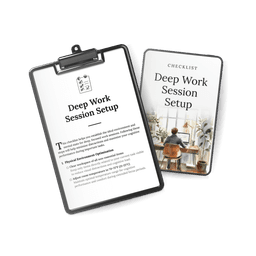
A good sign-off takes seconds. The bigger time sink is the inbox itself. Our free Deep Work Session Setup helps you set up focused blocks so email doesn't take over your morning. For a fuller plan, Reclaim 15 Hours of Your Time Each Week shows where your week goes and how to win some of it back. If you just finished an interview, our thank you email after an interview templates are ready to copy.
FAQ
What is the most professional email sign-off?
"Best regards" and "Kind regards" are polite and neutral, so they fit almost any work email. "Sincerely" works for very formal letters.
Is "Thanks" a good way to end an email?
Yes, especially when you're asking for something or someone helped you. It's short, friendly and clear.
Do you put a comma after the sign-off?
Yes. Write the sign-off, add a comma, then put your name on the next line: "Best regards," then your name.
About this guide
Written with AI assistance and edited by the AllMyGuides team. Everyday tips, not professional advice.