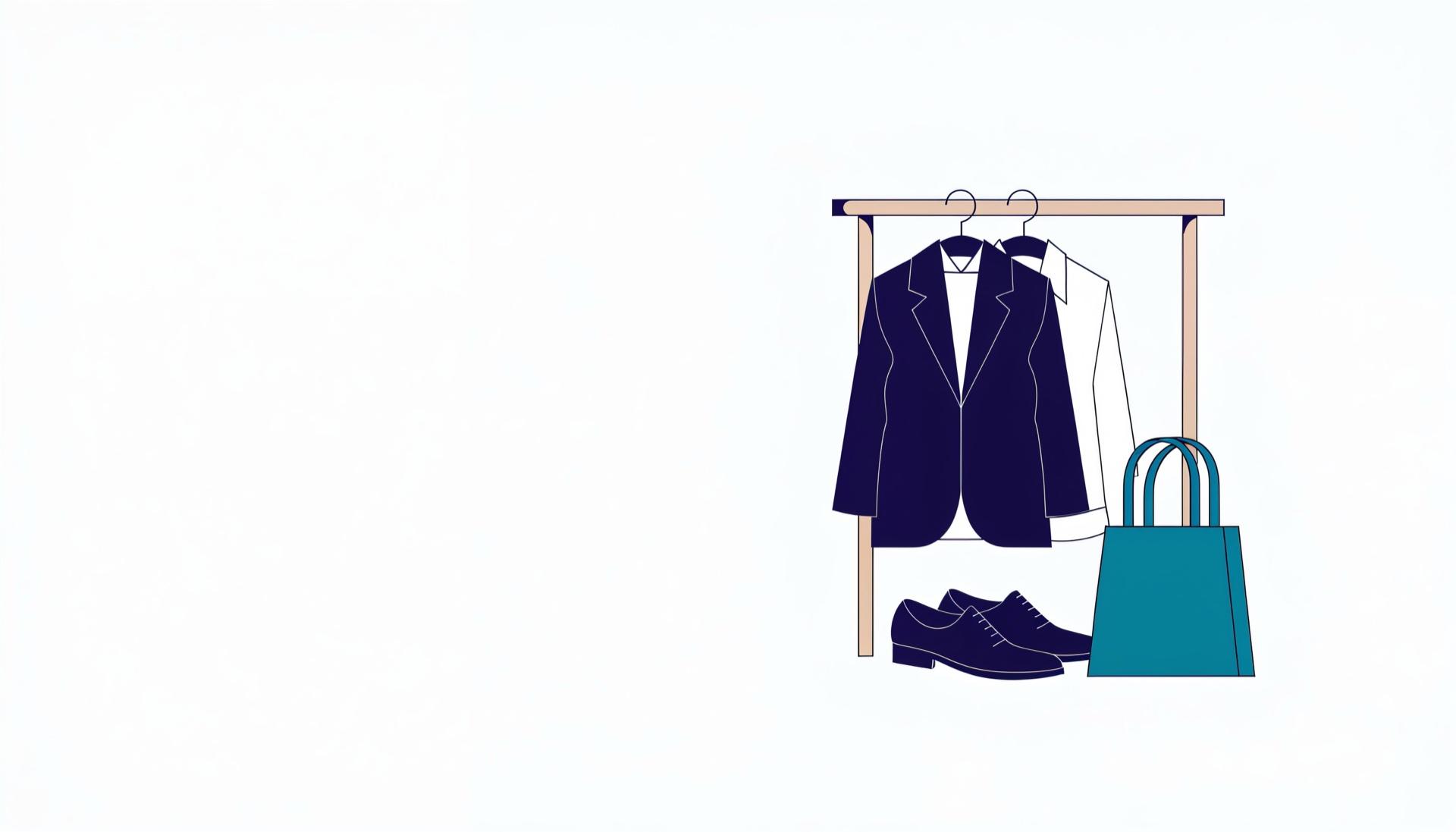
Not sure what to wear to an interview? Dress one step more polished than the people who already work there, in clean, well-fitting clothes you feel comfortable in. Below you'll find how to read the dress code, outfit ideas for every type of interview, and a quick checklist for the night before.
Think of your outfit as a picture frame. A good frame doesn't steal the show. It makes the picture inside look its best. The interviewer should remember what you said, not what you wore.
The short version
- Find out how people dress at the company, then go one step smarter.
- Pick neutral colors: navy, gray, black, white, beige.
- Fit and neatness matter more than price.
- Try the whole outfit on a day or two before.
How to figure out the dress code
- Look at the company's photos. Team pages, social media and job posts often show how people dress day to day.
- Ask the recruiter. "What's the dress code for the interview?" is a normal question, and it shows you care.
- Go one step up. If the team wears jeans, wear chinos and a nice top. If they wear chinos, add a blazer.
Interview attire by dress code
| Dress code | Where you'll see it | What to wear |
| Business formal | Law, finance, senior roles | A matching suit, a collared shirt or blouse, dress shoes |
| Business professional | Offices, sales, consulting | Dress trousers or a skirt, a blazer, a button-down or blouse |
| Business casual | Most offices today | Chinos or a skirt, a knit top or shirt, clean loafers or flats |
| Smart casual | Startups, creative teams | Dark jeans, a neat sweater or shirt, clean minimal sneakers |
| Virtual | Video interviews | A solid-color top that looks good on camera |
Business casual interview outfits
This is the most common dress code, and the one people search for most. Aim for clothes you'd wear to an important meeting, not to a wedding.
- Chinos or tailored trousers in navy, gray or khaki.
- A knee-length skirt or a simple dress with sleeves or a cardigan.
- A button-down shirt, blouse or fine-knit sweater.
- An unstructured blazer you can take off if the room is warm.
- Loafers, flats, low heels or clean leather sneakers.
Casual interview outfits
When the company is relaxed, you still want to look like you made an effort. Dark jeans with no rips, a plain T-shirt under a light jacket, or a neat sweater all work. Skip logos, slogans and athletic wear. If you're unsure whether something is too casual, it probably is, so pick the neater option and roll up your sleeves later if everyone else is relaxed.
10 interview outfit ideas
- Navy suit, white shirt, brown shoes.
- Gray trousers, light blue shirt, navy blazer.
- Black dress with a cardigan and flats.
- Khaki chinos, white button-down, loafers.
- Midi skirt, tucked-in blouse, low heels.
- Dark jeans, fine-knit sweater, clean white sneakers.
- Charcoal trousers, cream sweater, ankle boots.
- Wide-leg trousers, plain top, long blazer.
- Polo shirt, chinos and suede shoes for a very casual team.
- For video: a solid teal or blue top and a tidy background.
What to wear to a virtual interview
Dress fully, not just from the waist up. You'll feel more ready, and you won't worry if you need to stand. Pick a solid color, since small stripes and busy patterns can flicker on camera. Sit facing a window or a lamp so your face is well lit.
Small details that matter
- Fit. Clothes that fit well look sharper than expensive ones that don't.
- Neatness. Iron or steam everything, and check for loose threads.
- Shoes. Clean and comfortable enough to walk in.
- Accessories. Keep them simple: a watch, small earrings, a plain bag.
- Scent. Light or none. Interview rooms can be small.
What not to wear to an interview
- Wrinkled or stained clothes.
- Very bright colors or big patterns that pull attention.
- Gym clothes, flip-flops or anything you'd wear to the beach.
- Brand-new shoes you've never walked in.
- Anything you keep adjusting. If you notice it, so will they.
Night-before checklist
- Lay out the full outfit, shoes included.
- Check for stains, wrinkles and missing buttons.
- Pack a small bag: copies of your resume, a pen, a notebook, water.
- For video: test your camera, light and background.
- Plan your route and leave 15 minutes of extra time.
Your outfit is one part of getting ready. Our guide on how to prepare for an interview covers the rest, and our list of questions to ask in an interview helps you finish strong.
Walk in feeling ready
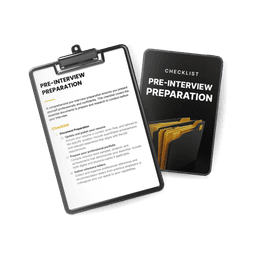
The right clothes help you stop thinking about yourself and focus on the conversation. Our free Pre-Interview Preparation checklist walks you through everything to sort out before the day, from learning about the company to what to bring. For the last hour before you go in, Pre-Interview Confidence Protocol gives you a simple routine to feel calm and focused. And afterward, send a short thank you email after the interview.
FAQ
Is business casual okay for an interview?
Yes, for most office jobs today. If the company is very formal, like a law firm or bank, wear a suit. When in doubt, ask the recruiter.
Can I wear jeans to an interview?
Only if the company is clearly casual. Choose dark jeans with no rips and pair them with a neat top or blazer.
What colors are best for an interview?
Navy, gray, black, white and beige are safe and easy to match. A small touch of color, like a blouse or tie, is fine.
About this guide
Written with AI assistance and edited by the AllMyGuides team. Everyday tips, not professional advice.