The best skills to put on a resume are the ones the job ad asks for and you can back up with an example. Mix soft skills like communication and teamwork with hard skills like a tool, a language or a software you use well. Pick eight to twelve, not forty.
Think of a recipe card. The job ad lists the ingredients the employer needs. Your resume shows you're bringing them. Nobody wants a bag of random groceries, however good they are. They want the ones on the card.
The short version
- Read the job ad and underline every skill it mentions.
- Match those words with skills you really have.
- Put eight to twelve in a skills section, hard skills first.
- Prove the important ones in your work history with a short example.
- Change the list a little for each job.
Soft skills vs hard skills
| Soft skills | Hard skills | |
| What they are | How you work with people and handle tasks | Things you learned to do, often with a tool |
| Examples | Communication, teamwork, problem solving | Excel, Spanish, bookkeeping, Photoshop |
| How to show them | A short example in your work history | Listed in the skills section, with a level if useful |
A good resume has both. Hard skills get you through the first filter. Soft skills make the person reading it want to meet you.
15 soft skills examples
- Communication
- Teamwork
- Problem solving
- Time management
- Adaptability
- Attention to detail
- Customer service
- Organization
- Leadership
- Critical thinking
- Conflict resolution
- Creativity
- Reliability
- Active listening
- Working under pressure
15 hard skills examples
- Data entry
- Bookkeeping
- Project management
- Social media management
- Copywriting
- Graphic design
- Sales and cash handling
- Inventory management
- Scheduling and calendar management
- Event planning
- Foreign languages (name them and your level)
- Basic photo and video editing
- Email marketing
- Writing reports and summaries
- Training new team members
10 computer skills for your resume
- Microsoft Word
- Excel or Google Sheets
- PowerPoint or Google Slides
- Outlook or Gmail, including calendars
- Slack or Microsoft Teams
- Zoom and video calls
- Canva
- A project tool like Trello, Asana or Notion
- A CRM like HubSpot or Salesforce
- Your industry's main software (name it exactly)
Skip "Microsoft Office" as one line if you can. "Excel: pivot tables and formulas" says far more.
10 skills for a first job or no experience
- Punctuality
- Willingness to learn
- Following instructions
- Friendly phone and email manner
- Basic math and cash handling
- Working in a team (school projects count)
- Staying calm with customers
- Keeping a workspace tidy
- Multitasking during busy hours
- Any language you speak at home
School, volunteering, clubs, sports and babysitting all build real skills. Use them as your examples.
How to pick the right skills for each job
1. Read the job ad twice
Underline every skill and tool it names. The ones that show up more than once matter most.
2. Make your match list
Write down the underlined skills you really have. Leave out the ones you don't. An interviewer will ask.
3. Use their words
If the ad says "client relations," write "client relations," not "customer happiness." Many companies scan resumes for exact words first.
4. Add one or two extras
Pick a skill they didn't ask for but that helps the role, like a second language for a front desk job.
5. Keep a master list
Save every skill you've ever used in one note, each with a short example. When the next job ad comes, you copy the right ones instead of starting from zero.
How to list skills on a resume
Skills section. Keep it short, near the top or right after your work history. Group them if you have many: "Software," "Languages," "Other."
Work history. This is where skills become believable. Instead of "good communicator," write "Answered customer emails and calls for a busy online shop." That one line shows communication, customer service and working under pressure at once.
Summary. Mention your two strongest skills in the short paragraph at the top. Our guide to cover letter examples shows how to carry the same skills into your letter.
What to skip
- Skills you can't back up. If you list it, be ready to talk about it.
- Empty words. "Hard worker" and "team player" mean little without an example.
- Old or obvious tools. Nobody needs "typing" or "internet browsing" on a resume today.
- Rating bars and stars. "Four stars in Excel" is unclear. Words like "basic," "good" or "advanced" work better.
How to start today
- Open one job ad you like and underline every skill.
- Write the ones you have and one example for each.
- Update your skills section with eight to twelve of them.
- Rewrite one line of your work history to show a skill in action.
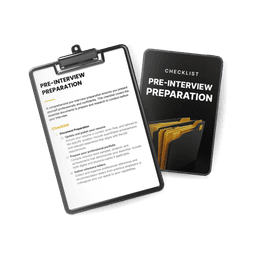
Your skills will come up again in the interview. Our free Pre-Interview Preparation checklist helps you get ready for the day itself, and Interview Success Blueprint walks you through preparing your answers and examples. To turn each skill into a short story, use the STAR method. And if you're asked what you're still working on, our guide to weaknesses for a job interview has honest answers.
FAQ
How many skills should I put on my resume?
Eight to twelve is a good range. Enough to match the job, few enough that each one stands out.
Where does the skills section go?
Near the top if you're changing careers or just starting out. After your work history if your experience is strong.
Should I list soft skills at all?
Yes, but show them more than you list them. One example in your work history beats three adjectives in a list.
About this guide
Written with AI assistance and edited by the AllMyGuides team. Everyday tips, not professional advice.