Looking for skills to learn? The best one is a skill you'll actually use, that you can practice in short sessions, and that you're curious about. Below are 50 ideas in six groups, from useful life skills to fun ones, plus a simple way to learn any of them.
Think of a toolbox. Every skill you learn is one more tool inside. You don't need all of them at once. You just add one, get comfortable with it, and reach for it when the moment comes.
The short version
- Pick one skill, not five.
- Choose something you'll use at least once a week.
- Practice 15 minutes a day, at the same time.
- Aim for "good enough to enjoy," not perfect.
How to choose a skill to learn
Ask yourself three quick questions:
- Will I use it? A skill you use often sticks. One you never use fades.
- Can I practice it in short bursts? Ten or fifteen minutes should feel like real progress.
- Am I curious about it? Interest carries you through the clumsy first weeks.
If a skill gets three yeses, start there.
50 skills to learn
Useful life skills
- Cooking five simple meals without a recipe.
- Making a basic weekly budget.
- Ironing a shirt neatly.
- Sewing a button and fixing a small tear.
- Reading a map without your phone.
- Meal planning for the week.
- Writing a clear, polite email.
- Planning a trip from start to finish.
Practical skills for home
- Basic home repairs, like hanging a shelf.
- Keeping houseplants alive.
- Growing herbs on a windowsill.
- Decluttering one room at a time.
- Changing a bike tire.
- Baking bread.
- Organizing a closet so it stays organized.
- Simple car care, like checking tire pressure.
Skills for work
- Touch typing.
- Making a clean spreadsheet with formulas.
- Speaking up in meetings.
- Giving a short presentation.
- Writing short, clear notes.
- Managing your calendar and to-do list.
- Basic photo editing.
- Building a simple website.
- Making simple charts that tell a story.
Creative and fun skills to learn
- Drawing simple objects.
- Playing the ukulele or guitar.
- Calligraphy or hand lettering.
- Knitting or crochet.
- Taking better photos with your phone.
- Writing short stories.
- Watercolor painting.
- Making pottery.
- Learning a few dance steps.
Cool skills to learn
- A few card or coin tricks.
- Juggling three balls.
- Solving a Rubik's cube.
- Speed reading the easy way: skimming headings first.
- Whistling a full song.
- Making latte art.
- Origami.
- Remembering names at a party.
Easy skills to learn in a week
- Tying three useful knots.
- Folding a fitted sheet.
- Basic phrases in a new language.
- Making a great cup of coffee or tea.
- Typing shortcuts on your computer.
- Wrapping a gift neatly.
- Brewing a simple cold brew.
- Making a decent omelet.
Looking for something more relaxed? Our list of hobbies has plenty of ideas you can do just for fun.
Where to start for free
| Skill | Time to the basics | Free way to start |
| Touch typing | 2 to 4 weeks | A free typing practice site, 15 minutes a day |
| Cooking | A few weeks | Cook one new dish each weekend |
| A new language | A few months for basics | A free app plus one short video a day |
| Drawing | A few weeks | Draw one object on your desk each day |
| Ukulele | 2 to 4 weeks for first songs | Video lessons for four basic chords |
Times are rough guides for casual practice. Everyone moves at their own pace, and that's fine.
How to learn a new skill in 15 minutes a day
- Make it tiny. "Learn guitar" is too big. "Learn the G chord this week" is just right.
- Tie it to something you already do. Practice right after your morning coffee or right before dinner.
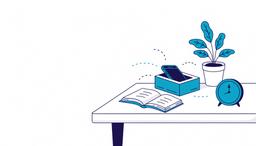
- Keep your tools in sight. Leave the ukulele on its stand, not in the closet.
- Track your days. A simple tick on a calendar shows your progress.
- Share it. Tell a friend what you're learning, or find an accountability partner with a goal of their own.
The first two weeks feel slow. Then something clicks, and practice starts to feel like play.
What to skip
- Starting five skills at once. You'll spread yourself thin and drop them all.
- Buying all the gear first. Start with the basics and upgrade once you're hooked.
- Comparing yourself to people who have practiced for years. Compare yourself to where you were last month.
Make practice a habit
Learning a skill is really building one small habit. Our free Complete Habit Formation System lays out a 90-day plan for turning a new routine into something you do without thinking. For a step-by-step month, Build Unbreakable Daily Routines in 30 Days walks you through setting up your space, stacking habits and getting back on track after a missed day. And for more small routines worth adding, see our list of good habits.
FAQ
What is the most useful skill to learn?
It depends on your life, but cooking, clear writing and managing your time help almost everyone, every week.
How long does it take to learn a new skill?
For many everyday skills, a few weeks of short daily practice gets you to the basics. Getting really good takes longer, but you can enjoy a skill long before that.
Can I learn a skill for free?
Yes. Libraries, free apps, video lessons and friends who already know the skill are great places to start.
About this guide
Written with AI assistance and edited by the AllMyGuides team. Everyday tips, not professional advice.