Second interview questions go deeper than round one: more about how you'd do this exact job, how you work with a team, and whether you're a good fit. Prepare a few fresh examples, learn more about the company, and bring sharper questions of your own.
Think of buying a car. The first visit is the showroom: you look around and decide you're interested. The second visit is the test drive. You both want to know how it feels on a real road. A second interview is that test drive, for them and for you.
The short version
- Expect more detail about the role, plus questions on teamwork and fit.
- Prepare two or three new stories, not the same ones from round one.
- Find out who you'll meet and what they care about.
- Bring better questions, because now you know more.
What to expect in a second interview
Every company runs it a bit differently, but second rounds often include:
- New people. Your future manager, teammates, someone from another team or a senior leader.
- Longer or back-to-back talks. Sometimes a few short interviews in a row.
- A task. A short exercise, a case or a presentation about how you'd handle something.
- A look around. An office tour, lunch, or a chat about how the team works.
- Practical details. Start dates, schedule and sometimes pay.
Not sure what's coming? Ask the recruiter: "Who will I be meeting, and is there anything I should prepare?" It's a normal question and it helps you a lot.
Common second interview questions
Here are the kinds of questions that come up most, with what they're really asking:
| Question | What they want to know |
| "What would you do in your first 90 days?" | Whether you understand the job and can plan. |
| "Tell me about a time you disagreed with a teammate." | How you handle friction. |
| "How would you handle [a real problem we have]?" | How you think, not a perfect answer. |
| "What kind of manager helps you do your best work?" | Whether you'd fit with this team. |
| "Is there anything from our last talk you'd like to add?" | A chance to fix a weak answer. |
| "Why this company, and why now?" | Whether you've thought it through. |
| "What other roles are you looking at?" | How fast they might need to move. |
For stories about past work, the STAR shape keeps you clear and short: situation, task, action, result. Our guide to the STAR method shows how to build answers that way.
How to prepare for a second interview
Look back at round one
Write down what they asked and what seemed to matter most to them. Anything you answered weakly? Prepare a better version. You can even bring it up yourself: "I've thought more about your question on reporting, and I'd like to add something."
Get new stories ready
The people you meet may compare notes. Have two or three fresh examples, so you don't tell the same story to everyone.
Learn more about the team
Read recent news about the company, look up the people you'll meet, and think about what each one cares about. A manager cares about results, a teammate cares about how easy you'll be to work with.
Prepare for a task
If there's an exercise, ask how long it should take and what they'll look at. Keep it simple and explain your thinking. A clear plan beats a fancy one.
Plan the day
Second rounds can be long, so plan around them. Check the address or the video link the day before, bring a snack and water if you'll be there for hours, and keep a short note with the names of the people you'll meet. If it's online, test your camera and sound, and have your notes ready in a window you can glance at.
Questions to ask in a second interview
You know more now, so your questions can go deeper:
- "What would success look like in this role after six months?"
- "What's the biggest challenge the team is working on right now?"
- "How does the team share work and give feedback?"
- "What do you enjoy most about working here?"
- "What are the next steps, and when can I expect to hear back?"
For more ideas, see our list of questions to ask in an interview.
What to skip
- Repeating round one word for word. Add something new.
- Acting like it's a done deal. A second round is a good sign, not an offer.
- Forgetting the people outside the room. Be kind to everyone you meet, from reception to lunch.
- Staying quiet when you have doubts. This is your test drive too. Ask about anything that worries you.
How to start today
- Write down the questions you got in round one.
- Pick two new stories from your recent work.
- Ask the recruiter who you'll meet.
- Write three deeper questions to ask them.
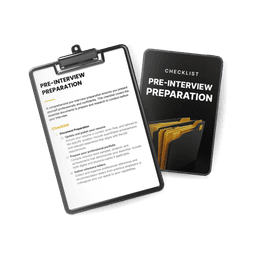
Our free Pre-Interview Preparation checklist walks you through the days before any round, from learning about the company to what to bring. For a full plan, Interview Success Blueprint covers preparing answers, handling tricky questions and following up. And after the interview, send a short note: our guide to the thank-you email after an interview has examples to copy.
FAQ
Is a second interview a good sign?
Yes. It means they liked what they saw. It's still a real interview, so prepare just as well.
How long does a second interview last?
Often longer than the first, from about an hour to half a day if you meet several people. Ask the recruiter so you can plan.
Will they talk about salary?
Sometimes. Have a clear range ready, and if they ask first, it's fine to share it calmly.
About this guide
Written with AI assistance and edited by the AllMyGuides team. Everyday tips, not professional advice.